How to Start a Vegetable Garden
A step-by-step guide to starting your first vegetable garden, from choosing the right spot and preparing soil to harvesting your first crops.
Key takeaways
- Pick a spot with at least 6 hours of direct sunlight
- Start small with a 4x8 foot raised bed
- Choose beginner-friendly crops like tomatoes, lettuce, and herbs
- Test your soil before planting
- Water deeply but less frequently for stronger roots
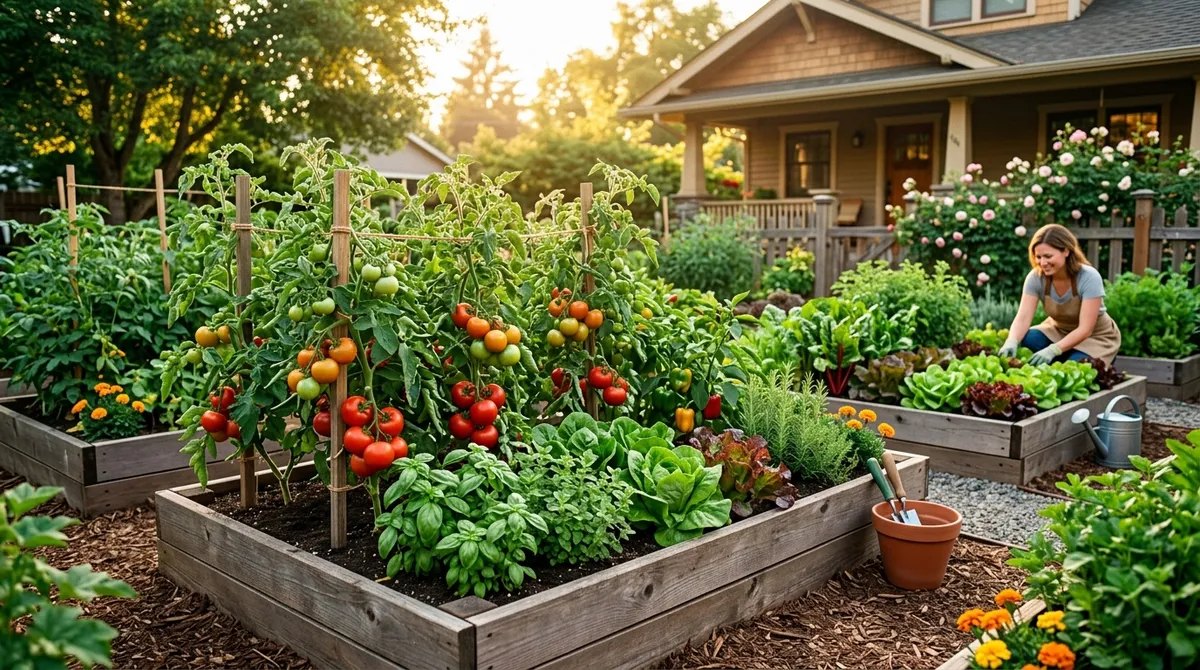
Where to put your vegetable garden
The single most important factor is sunlight. Vegetables need at least six hours of direct sun each day, and eight hours is better. Watch your yard through the day and note which areas get the most unshaded light.
Pick a spot close to your kitchen door if you can. You will visit the garden more often when it is convenient, and that makes a real difference to harvests.
Avoid low areas where water pools after rain. Vegetables need well-drained soil. If your yard slopes, plant on the higher ground.
Preparing the soil
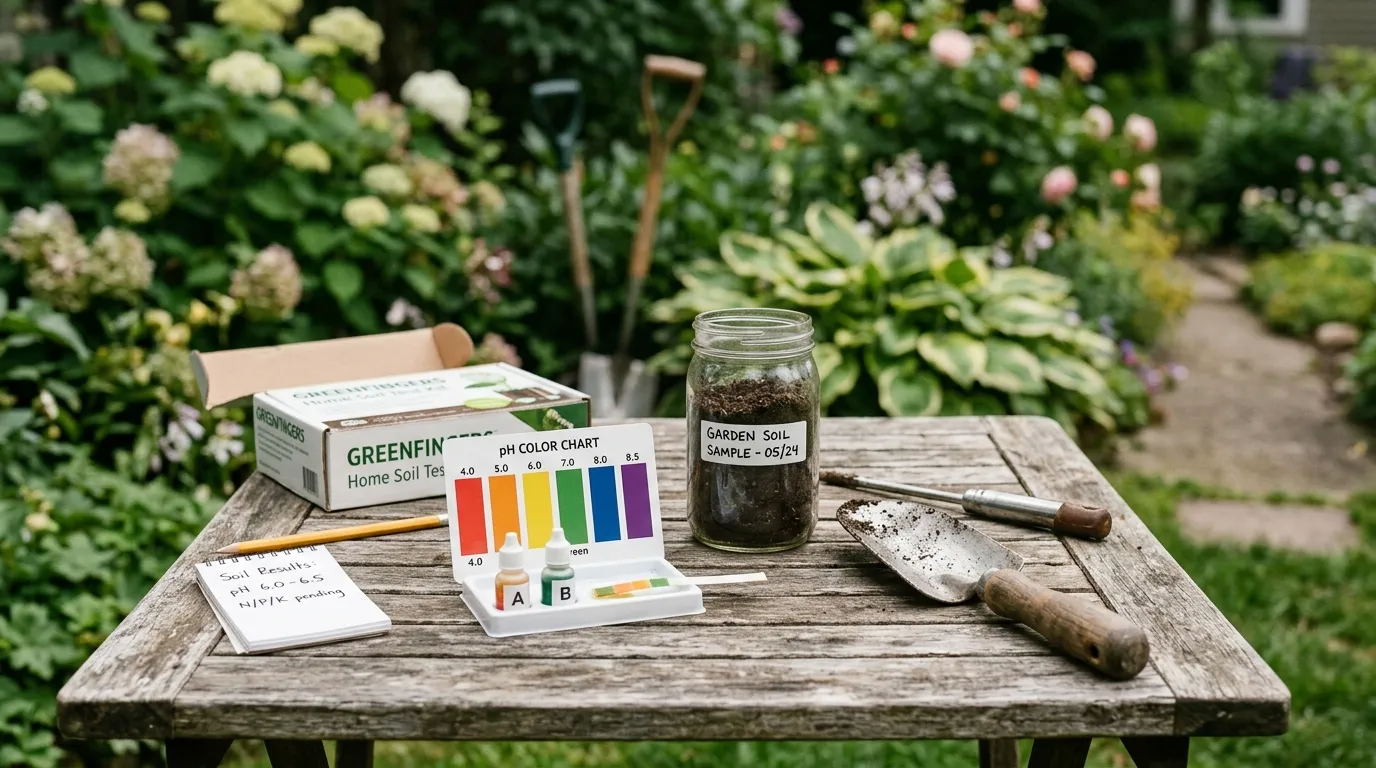
Good soil grows good vegetables. Before you plant anything, get a soil test from your local cooperative extension office. The test costs around $15-25 and tells you exactly what your soil needs.
Most vegetables prefer slightly acidic to neutral soil with a pH between 6.0 and 7.0. Your soil test results will include lime or sulfur recommendations if your pH needs adjusting.
Work 2-3 inches of compost into the top 8-10 inches of soil. Compost improves drainage in clay soil and water retention in sandy soil. It feeds the microorganisms that keep your garden healthy.
Choosing what to grow
Start with crops your family eats. There is no point growing eggplant if nobody at your table likes it.
These vegetables produce reliably for beginners across most USDA zones:
| Vegetable | Days to harvest | Space needed | Best zones |
|---|---|---|---|
| Tomatoes | 60-85 | 2-3 ft apart | 3-10 |
| Zucchini | 45-55 | 3 ft apart | 3-10 |
| Lettuce | 30-45 | 6-8 in apart | 3-10 |
| Green beans | 50-60 | 4-6 in apart | 3-10 |
| Basil | 60-90 | 12 in apart | 4-10 |
| Peppers | 60-90 | 18 in apart | 4-11 |
When to plant
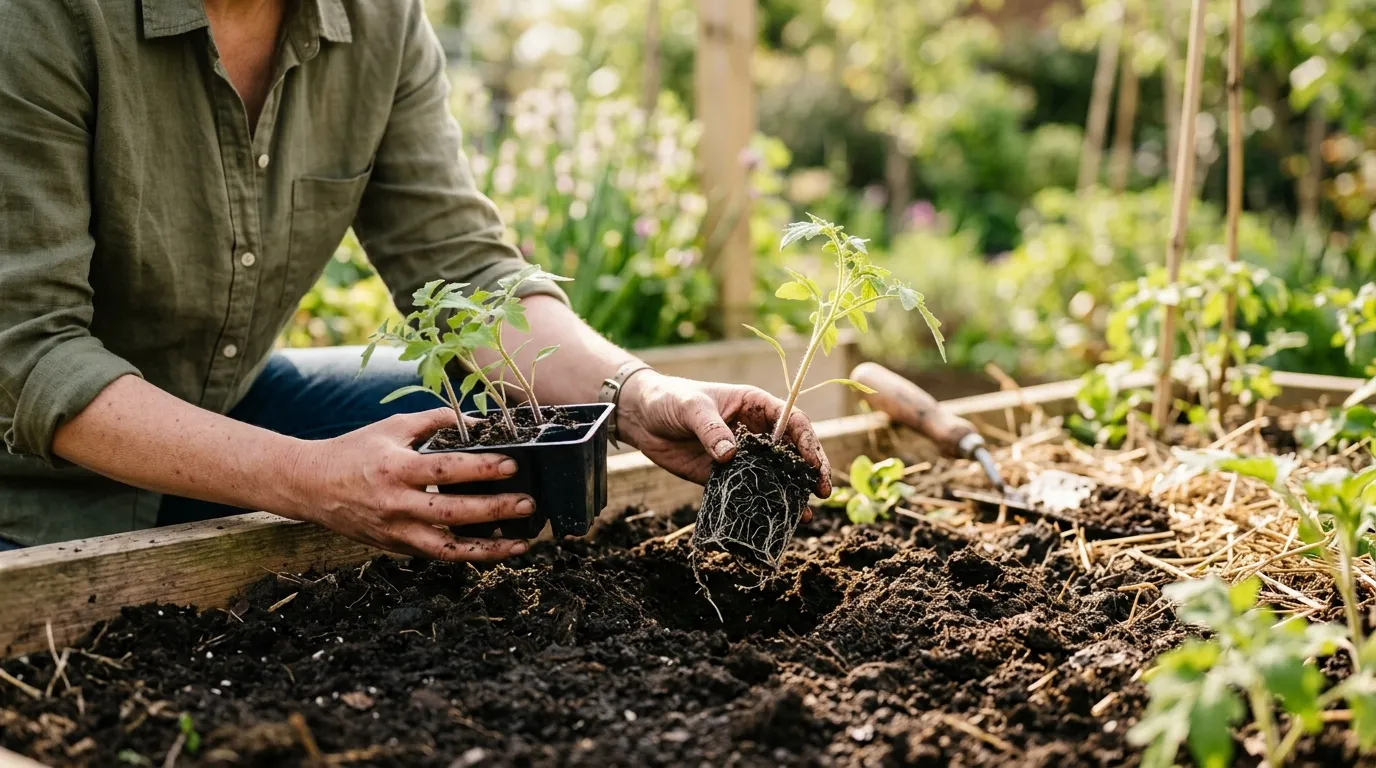
Your planting schedule depends on your USDA hardiness zone and local last frost date. Contact your county extension office or search online for your area’s average last frost date.
Cool-season crops (lettuce, peas, radishes) can go in the ground 2-4 weeks before the last frost. They handle light freezes without damage.
Warm-season crops (tomatoes, peppers, zucchini) must wait until after the last frost. Soil temperature should be at least 60F for most warm-season vegetables.
Watering basics
Water deeply and less frequently rather than a little every day. Deep watering encourages roots to grow down, making plants more drought-resistant.
Most vegetable gardens need about 1 inch of water per week, including rainfall. Push your finger 2 inches into the soil. If it feels dry, water. If it feels moist, wait.
Water in the morning when possible. Morning watering reduces disease pressure because foliage dries quickly in the daytime sun.
Common beginner mistakes
Planting too much is the number one mistake. A small garden you can manage beats a large garden that overwhelms you by July.
Spacing plants too close together is the second most common error. Crowded plants compete for light, water, and nutrients. They also trap moisture and invite disease.
Skipping the soil test ranks third. Many gardeners spend years adding the wrong amendments because they never tested first.
Raised beds vs in-ground planting
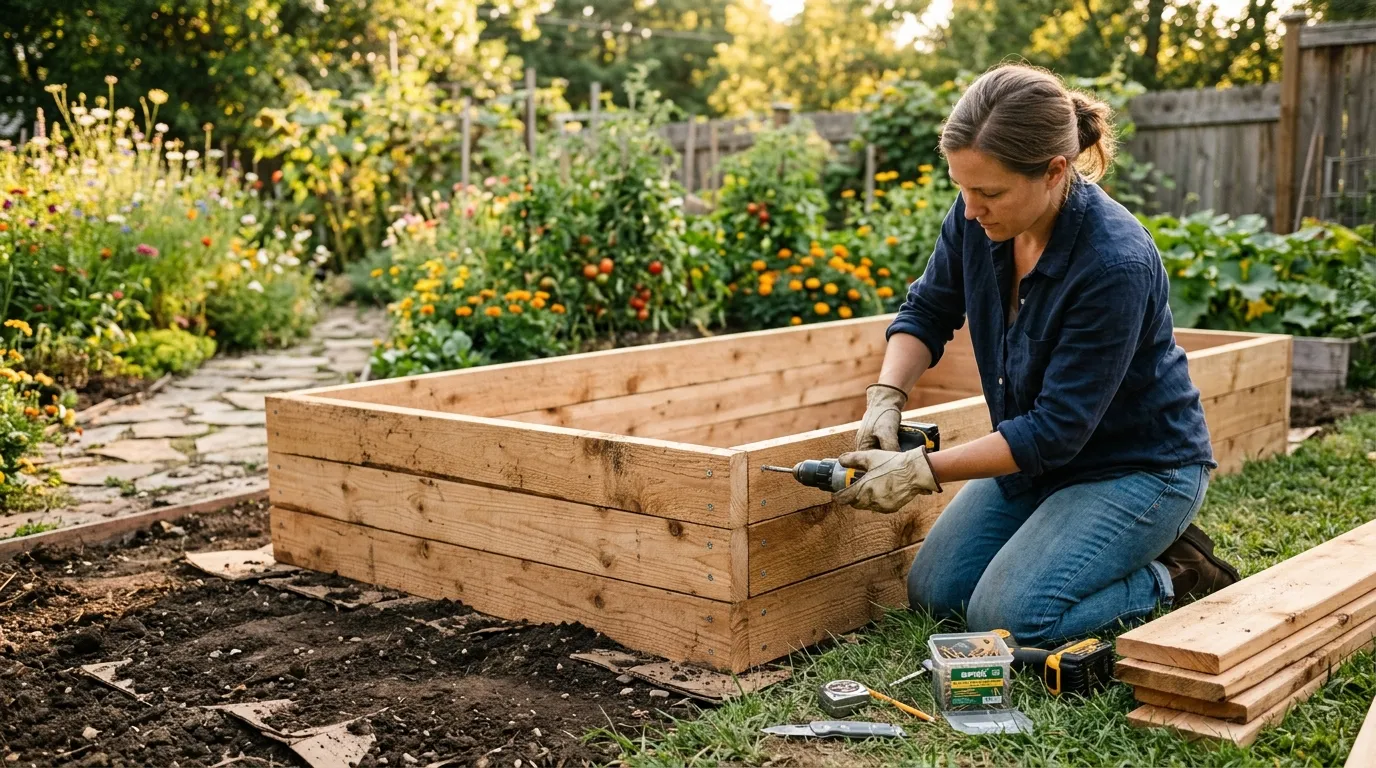
Raised beds give you control over soil quality from day one. Fill them with a mix of 60% topsoil, 30% compost, and 10% perlite or vermiculite. A single 4x8 foot bed holds about 32 cubic feet of soil mix.
In-ground planting works well if your native soil drains reasonably and you can amend it with compost. It costs less upfront but takes more effort to improve over time.
| Factor | Raised bed | In-ground |
|---|---|---|
| Startup cost | $50-150 per bed | $20-40 for amendments |
| Soil control | Complete | Limited |
| Drainage | Excellent | Depends on soil type |
| Back strain | Less bending | More bending |
| Warming speed | Warms faster in spring | Slower to warm |
| Water needs | Dries out faster | Retains moisture longer |
For heavy clay or compacted soil, raised beds save you seasons of frustration. For sandy loam that drains well, in-ground planting is perfectly fine.
Feeding your plants
Vegetables are hungry. Side-dress tomatoes and peppers with balanced fertilizer (10-10-10) every 3-4 weeks after transplanting. Leafy greens prefer higher nitrogen. Root crops need more phosphorus.
Organic options include fish emulsion (5-1-1) for quick nitrogen, bone meal (3-15-0) for phosphorus, and wood ash for potassium. Apply compost tea every two weeks as a gentle all-purpose feed.
Avoid fertilizing right before harvest. For tomatoes, stop feeding once fruits start to color. This concentrates flavor rather than pushing more leaf growth.
Extending your season
Row covers and cold frames let you plant 2-4 weeks earlier in spring and harvest 3-6 weeks later in fall. A simple hoop tunnel made from PVC pipe and 6-mil plastic costs under $30 to build over one raised bed.
In zones 7 and warmer, succession planting keeps harvests coming all season. Sow lettuce every two weeks from March through October. Plant a second round of green beans in late July for a fall harvest.
Mulch beds with 2-3 inches of straw or shredded leaves after soil warms above 60F. Mulch holds moisture, suppresses weeds, and keeps soil temperatures steady during summer heat spikes.
Sarah Mitchell is a Master Gardener and garden writer based in the Pacific Northwest. She has been growing food and flowers for over 15 years across USDA zones 7 and 8.