Plants September 3, 2026
Dahlia Tubers
Dahlia tubers store energy through winter and drive each season's growth. US guide covers buying, storing, dividing, planting, and troubleshooting.
Care guides, plant profiles, and planting advice for every type of American garden.
Dahlia tubers store energy through winter and drive each season's growth. US guide covers buying, storing, dividing, planting, and troubleshooting.
Jowey Winnie is a ball dahlia with deep burgundy-red blooms. US guide covers plant size, bloom time, tuber care, and how it performs across USDA zones.
Plumosa fern is a feathery asparagus relative grown as a houseplant or outdoor annual. US guide covers care, light, watering, propagation, and toxicity.
Fall-blooming perennials extend color into October and beyond. This US guide covers the best asters, sedums, goldenrod, and ornamental grasses by zone.
Chocolate mint is a mint variety with a cocoa-like scent. Grow it in partial sun, moist soil, and containers to control its spread. Hardy in Zones 5–9.
Lily flowers bloom in summer across US gardens in zones 3–9. Learn which types suit your zone, how to plant bulbs, and how to get repeat bloom each year.
Red lilies range from early-blooming Asiatics to fragrant OT hybrids. Learn the best red varieties, care requirements, and how to extend color all summer.
Philodendron billietiae care guide: light, watering, soil, humidity, and repotting. Includes US sourcing tips and common problems like yellowing leaves.
Standard impatiens need shade — 3 to 4 hours of sun maximum. New Guinea impatiens handle full sun. US guide to placement by type across USDA Zones 3–10.
Rosemary is perennial in Zones 7–10 and annual in colder zones. Learn cold-hardy cultivars, zone hardiness, and how to overwinter rosemary indoors.
Scented geraniums bring rose, lemon, and mint fragrances to US gardens in Zones 3–10. Grow Pelargonium as annuals for cooking, sachets, and pollinators.
Lavender needs full sun to thrive. This guide covers what happens in shade, which varieties tolerate low light, and the best alternatives for shady spots.
Dragon Wing begonias bloom all season in sun or shade with minimal care. This US guide covers planting, watering, overwintering, and troubleshooting.
Overwatering and low light kill more houseplants than anything else. This US guide covers watering schedules, light, soil, and fertilizing tips.
Tulips bloom in spring from fall-planted bulbs. Learn the right depth, zone-specific timing, and which varieties rebloom in US gardens from Zone 3 to 8.
Fern leaf lavender blooms all summer in Zones 8–11 and handles southern humidity. This guide covers growing, pruning, and drying multifida lavender.
Gardenias are perennial shrubs in USDA Zones 7–11, with fragrant white blooms each summer. In colder zones, grow them in pots and overwinter indoors.
Peaches N Cream dahlia blooms soft peach and cream from July to frost. Grow tubers in full sun across USDA Zones 3–10 for a top-rated cut flower variety.
Citronella geranium (mosquito plant) grows as a tender annual in US gardens. Learn care, overwintering, and what research says about mosquito repelling.
Dwarf lilac bushes reach 3–5 feet tall and bloom as reliably as full-sized varieties. US guide covers the best cultivars, planting, and pruning by zone.
A moss pole helps monstera grow larger leaves with more fenestrations. US guide covers DIY poles, sizing, installation, and how to attach correctly.
Zonal geraniums die below 28°F and struggle above 95°F. Perennial types survive to Zone 4. Learn USDA zone limits, overwintering tips, and heat signs.
Sweet Nathalie is a pink ball dahlia blooming July to frost. Covers US zone planting dates, staking, deadheading, and winter tuber storage tips.
Viburnum shrubs offer spring blooms, fall berries, and wildlife value across USDA Zones 3–9. Full care guide covering pruning, soil, and best varieties.
Slicing, pickling, burpless, Persian, English — this guide covers every cucumber type grown in the US, with variety picks for each climate zone.
From 1-inch pompons to 12-inch dinnerplates, dahlias come in 20+ forms. This guide covers the main types, bloom sizes, and which work best in US gardens.
Burro's tail (Sedum morganianum) is a trailing succulent with blue-green leaves. This guide covers watering, light, propagation, and US growing zones.
Cornel Bronze dahlia grows 3–4 feet tall and blooms copper-bronze from midsummer to frost. Plant tubers after last frost in Zones 3–10 for summer color.
Figs grow in USDA Zones 7–11 with little care once established. Full guide to varieties, planting, watering, harvesting, and storing fresh figs in the US.
Wizard of Oz dahlia: a specialty cut-flower variety for US gardens. Includes planting timing by zone, tuber care, bloom schedule, and cutting tips.
Discover how tall coleus grows and which varieties stay compact. Includes height data by series, pruning tips to control size, and US zone recommendations.
Learn how to choose, plant, and care for shrubs in US gardens. Covers flowering, evergreen, and native shrubs for every USDA zone and garden size.
Lilac trees grow on a single trunk to 30 ft; lilac bushes are multi-stemmed to 15 ft. This guide covers varieties, care, and which to plant.
The best grow lights for indoor gardening depend on plant type, space, and budget. This guide compares LED, fluorescent, and HID options for US gardeners.
Snapdragons thrive in cool US weather and bloom spring through fall in most zones. Learn to grow, deadhead, and overwinter these versatile annuals.
Rhaphidophora tetrasperma thrives in bright indirect light in US homes. This guide covers soil, light, watering, propagation, and pests.
Perennial geraniums (cranesbills) are cold-hardy, long-blooming plants for US gardens. This guide covers varieties, zones, soil, and care by region.
Snapdragons are perennial in USDA Zones 7–11 but are grown as annuals in colder zones. They self-sow freely and often return from seed the next year.
Calla lilies come back yearly in Zones 8–10. In Zones 3–7, dig rhizomes after frost, store dry at 50–60°F, and replant next spring for reliable return.
Creeping myrtle (Vinca minor) spreads 18 inches per year to form a weed-suppressing groundcover. Hardy in USDA Zones 4–9 with minimal care.
Panicle hydrangeas thrive in full sun across USDA Zones 3–9. This guide covers the best varieties, care tips, and how they differ from shade-loving types.
Marigold flowers bloom from late spring to frost. This guide covers French vs African types, deadheading tips, and best varieties for US gardens.
Freesia corms planted 2 inches deep in well-drained soil bloom in 10–12 weeks. Grow them in USDA Zones 9–10 year-round, or lift corms in colder US regions.
From culinary to ornamental, sage offers 900+ species for US gardens. This guide covers the most useful types by purpose, hardiness, and growing ease.
Clematis are perennials in Zones 3–9, but die-back patterns vary by type. This guide covers hardiness, pruning groups, and spring regrowth expectations.
Tree, itoh, and herbaceous peonies each bloom differently. This US guide covers every major peony type, bloom times, and variety picks by USDA zone.
Low maintenance evergreen shrubs give year-round structure with minimal pruning. Top picks for US gardens by zone, soil type, and sun exposure.
The right spot for lilac is full sun with good drainage. This US guide covers siting rules, spacing, zone needs, and soil prep for strong bloom.
Dwarf magnolia trees top out at 6–15 feet and suit small US yards in Zones 4–9. Covers the best compact varieties, care, and siting for each zone.
Chive flowers are edible, mildly flavored, and appear in May and June. Learn how to harvest, use, and deadhead chive flowers in US gardens and kitchens.
Peonies need support before they bloom or stems snap under heavy flowers. Learn which stakes and cages work best in US gardens from Zones 3 through 8.
Spider plant babies, or spiderettes, root in water within 7–14 days. Learn when to cut them, how to pot them up, and why root-bound mothers produce more.
Catnip (Nepeta cataria) drives cats wild; catmint is the tidier garden plant. Learn how to tell them apart and grow both in US gardens.
Teddy Bear sunflowers grow 2–3 feet tall with fluffy double blooms in 60–70 days. Plant in containers or beds across USDA Zones 2–11 from seed.
Grow mandevilla in containers with full sun and weekly watering. This guide covers pot selection, fertilizer, overwintering, and pruning for US gardeners.
Pink magnolia trees produce large flowers on bare branches before spring leaves emerge. This guide covers the best US varieties, zones, and care tips.
Plant ranunculus corms in fall in Zones 8–10 or early spring in Zones 6–7 for cut-flower blooms. This guide covers timing, soil, pre-soaking, and care.
Explore the main types of lilies for US gardens: Asiatic, Oriental, trumpet, and more. Covers bloom times, USDA zones, heights, and care requirements.
A complete hydrangeas care calendar for US gardeners—watering schedules, fertilizer timing, mulching, and fixes for the most common problems by USDA zone.
A visual guide to 20 common US garden flowers—identify them by bloom shape, color, leaf type, and season. Covers annuals, perennials, and flowering shrubs.
Weeping pussy willow grows in Zones 4–8 with moist soil. This guide covers planting, catkin care, pruning, and siting near water features in US yards.
Climbing roses need annual tying, not natural climbing. Learn the best US varieties, support structures, and pruning for zone 5–9 gardens.
Hydrangeas grow 3–10 feet tall depending on variety. Compare sizes by type and learn how far to space them for a US home garden.
Lily of the valley symbolizes happiness, purity, and luck in the US. Learn its meaning, history, and how to grow it in USDA Zones 3–8 gardens.
Rhododendrons thrive in Zones 4–8 with acidic soil and dappled shade. Learn planting, fertilizing, pruning, and fixing common US problems in this guide.
Air plants (Tillandsia) need no soil and thrive indoors with bright light and weekly soaking. Complete US care guide for watering, light, and display.
Flaming Katy (Kalanchoe blossfeldiana) blooms for 8 weeks with bright flower clusters. Care tips for US indoor growing, light, watering, and reblooming.
Most begonias scorch in afternoon sun. Wax and Dragon Wing begonias tolerate 4 to 6 morning hours. Zone guide with US variety recommendations.
Dracaena plants clean indoor air and tolerate low light, but fluoride in tap water causes brown tips. Learn watering, light, repotting, and toxicity facts.
Azaleas thrive across USDA Zones 3–9 with the right soil pH and variety. Covers types, planting, pruning windows, and common failure points to avoid.
Fig trees grow in USDA Zones 6–11 with some winter protection. Covers varieties, planting, pruning, harvesting, and overwintering in cold US climates.
The best indoor plants for US homes thrive with minimal effort. Covers light, water, soil, and the top species that survive real US living conditions.
True lilies grow in USDA Zones 3–9 from fall-planted bulbs. This US guide covers Asiatic, Oriental, and trumpet types, plus planting, care, and pests.
Money trees need bright indirect light, infrequent watering, and low-humidity tolerance. This US guide covers care, braiding, and common problems.
Amaryllis bulbs bloom indoors in 6–8 weeks with minimal care. Learn how to plant, rebloom, and store amaryllis bulbs across every US climate zone.
Snake plants thrive on neglect in low light with watering every 2–6 weeks. Learn varieties, light needs, toxicity facts, and propagation for US homes.
Sunflowers grow in USDA Zones 2–11 from direct-sown seed and bloom in 60–90 days. Learn varieties, soil prep, watering, and how to grow giant heads.
Grow canna lilies for bold tropical color in US gardens. This guide covers varieties, planting times, USDA zones, overwintering, and dividing cannas.
House plants improve indoor air quality and mental wellbeing. This guide covers the 15 best US house plants by light level, watering needs, and pet safety.
Lavender needs full sun and sharp drainage in Zones 5–10. This guide covers English and Spanish types, planting, pruning, drying, and US harvesting tips.
Mammoth sunflowers grow 10–14 feet tall with heads up to 12 inches wide. Sow after last frost in full sun; heads are ready to harvest in 80–95 days.
African violets bloom year-round indoors in US homes. Learn exact watering, light, soil, and fertilizer care to keep these houseplants flowering.
The best soil for indoor plants depends on the plant type. Learn which mixes work for houseplants, succulents, orchids, and why potting soil matters.
Begonias are perennials in Zones 9–11 and annuals elsewhere in the US. Learn which types overwinter and how to store tubers for Zone 4–8 gardeners.
Cilantro bolts in heat, but the right variety and timing extend your harvest. Grow both fresh leaves and coriander seeds from one easy annual plant.
Over 3,000 registered hosta varieties exist. This guide covers the best types by size, color, and sun tolerance for US gardens in Zones 3–9.
Indirect sunlight means no direct rays touch the leaf. Learn what bright, medium, and low light levels mean for US houseplants in every room.
Kalanchoe is a flowering succulent sold in every US grocery store. Learn watering, light, reblooming, and pet toxicity for lasting color indoors.
Petunias bloom all summer in every US zone. This guide covers all four types, fertilizing for maximum flowers, and fixing leggy growth mid-season.
Snake plants tolerate low light but grow best in bright indirect light. Learn exactly how much light your snake plant needs and what each window gives.
Bromeliads bloom for months indoors with almost no care. This guide covers light, watering the cup, producing pups, and triggering rebloom in US homes.
Royal Star magnolia blooms in early spring before the leaves emerge. This guide covers site selection, frost protection, pruning, and US zone tips.
Dwarf Japanese maples add color without taking over. This guide covers the best varieties under 10 feet, container tips, and USDA zone advice.
Morning glory vines grow fast, bloom all summer, and thrive in US heat. Learn how to plant, train, and manage this classic fast-growing annual vine.
Rising Sun Redbud offers multi-colored foliage from apricot to gold to green on a compact tree. Learn how to plant and care for it in US gardens.
Ruby Slippers oakleaf hydrangea turns from white to deep rose-red in fall. Learn how to plant and care for this compact US native shrub in any zone.
Sweet pea flowers thrive in cool US springs. Learn how to grow fragrant pink, purple, and white blooms from seed for a full-season display.
Philodendron gloriosum is a slow-growing crawling plant with large velvety leaves and white veins. This US care guide covers light, water, and repotting.
Skyrocket Juniper grows 15 feet tall but only 2 feet wide — a narrow evergreen column for US yards in Zones 4–9. Covers planting, pruning, and care.
Tradescantia Nanouk has pink, white, and green variegated leaves on trailing stems. US care guide covers light, water, propagation, and pet safety.
Most hydrangeas need partial shade in hot US climates. Find out which types handle full sun, how many hours work, and zone-by-zone guidance.
PJM Rhododendron blooms in early spring across USDA Zones 4-8. Covers soil pH, pruning timing, winter care, and how to avoid the most common mistakes.
Snake plants survive low light, drought, and neglect. Learn watering, repotting, propagation, and toxicity for this top-selling US houseplant.
How to grow geraniums in US gardens: sun, soil, watering, deadheading, and overwintering by USDA zone. Covers annual vs. perennial types.
How to care for rose bushes in US gardens: sun, watering, fertilizing, pruning, and disease control by USDA zone. Includes variety comparison table.
Autumn fern grows in USDA Zones 5–9, producing copper-red fronds in spring that turn dark green by summer. Learn to plant and care for it.
Cosmos blooms in 7–10 weeks from seed in poor soil with no fertilizer. Learn to direct sow, deadhead, and use it to attract pollinators.
Pothos plants thrive in low light and survive neglect, making them the top-selling houseplant in the US. Learn watering, light, propagation, and toxicity.
Lavender grows best with rosemary, catmint, and echinacea. This US guide lists the best and worst lavender companions by USDA zone, soil, and spacing.
Rosemary needs full sun and fast-draining soil above all else. US guide covers growing zones, overwintering in cold climates, harvesting, and pruning.
Philodendrons thrive in indirect light; water only when the top 2 inches are dry. US guide covers vining vs. upright types, toxicity, and propagation.
The 12 best houseplants for beginners in the US — chosen for low water needs, tolerance for low light, and resilience to common mistakes.
Cat's Pajamas catmint grows 15-20 inches tall in Zones 3-8 with blue-violet blooms from May to frost. Covers varieties, care, planting, and growing tips.
Hicks yew grows 10-20 feet tall in Zones 4-7 with dense dark green foliage and red berries. Covers planting, pruning, deer pressure, and shade tolerance.
Little Lime hydrangea grows 3-5 feet tall in Zones 3-8 with lime blooms turning pink in fall. Covers pruning, care, and US growing tips.
Climbing hydrangea blooms in June on walls, fences, and trees in Zones 4-8. This guide covers planting, training, pruning, and why it's slow for 2-3 years.
Deer resistant shrubs rated by real browsing pressure across US zones. Covers the top picks for sun and shade, with planting tips and honest ratings.
Lilac bush blooms in May for 2-3 weeks in Zones 3-7. Covers the top US varieties, planting, pruning timing, and how to fix no-bloom problems.
Moonglow juniper grows 10-15 ft tall with silver-blue foliage in Zones 3-9. Covers planting, pruning, deer pressure, and how it compares to Skyrocket.
Small evergreen shrubs hold color and structure through winter in Zones 4–9. This guide covers the top US varieties, spacing, and care requirements.
Weigela is a low-maintenance flowering shrub that blooms twice per season in Zones 4–9. This guide covers the best US varieties, pruning tips, and care.
Incrediball hydrangea produces dinner-plate blooms on strong stems with little care. A complete US growing guide for Zones 3–9.
Spanish lavender (Lavandula stoechas) has distinctive rabbit-ear bracts and thrives in US Zones 7–10. Learn how to plant, prune, and overwinter it.
Winter Gem boxwood stays compact and green through Zone 5 winters. Learn how to plant, prune, and protect this evergreen shrub in your yard.
Coneflowers bloom July through September in US gardens with no deadheading required. Learn varieties, care, and uses for pollinators and cut flowers.
Dogwood trees bloom in spring with white or pink flowers across US zones. Learn how to plant, care for, and choose the right dogwood for your yard.
Full sun flowers for pots need 6–8 hours of direct sun and consistent watering. This guide covers the top 12 US-tested varieties for containers.
Honeysuckle vines thrive in US gardens with minimal care. This guide covers the best native species, wildlife value, and US zone performance.
Arborvitae are fast-growing evergreens for privacy screens and hedges in Zones 3–8. This guide covers varieties, spacing, planting, and US care tips.
Blue Arrow juniper grows 12–15 feet tall and just 2 feet wide with silvery-blue foliage. This guide covers planting, care, and US landscape uses.
Crimson Queen Japanese maple stays under 10 feet tall with weeping, lacy red foliage. This guide covers care, siting, and growing tips for US gardens.
Asiatic lilies bloom in June–July in USDA Zones 3–9. Covers bulb planting depth, sun needs, deadheading, and why Asiatics are the easiest lily to grow.
Azalea plants bloom in spring across USDA Zones 4–9. This guide covers soil pH, pruning timing, variety selection, and why azaleas fail in most US yards.
The most deer-resistant annual flowers for US gardens, with Rutgers ratings, regional pressure notes, and annuals that get eaten despite common claims.
The best low light houseplants for US homes, with real foot-candle measurements, which plants tolerate true low light, and what kills them in dark rooms.
Best easy plants for beginners in US gardens — top low-light houseplants, drought-tolerant perennials, and fail-safe annuals for USDA zones 3–10.
Forest Pansy redbud offers heart-shaped purple leaves and magenta spring blooms for Zones 5–9. Learn how to plant, prune, and care for it in US yards.
Monstera adansonii is the Swiss cheese vine — a trailing houseplant with distinctive leaf holes. This guide covers light, water, soil, and US care tips.
New Guinea impatiens bloom all summer in pots and beds across US zones. Covers sun tolerance, watering, feeding, and how to grow SunPatiens varieties.
The best full-sun flowers for US gardens, from heat-proof annuals to long-lived perennials. Includes a zone guide, bloom times, and care tips for each.
Pothos thrives in low light and survives neglect, making it the top-selling houseplant in US homes. Covers 7 varieties, watering, propagation, and pests.
From annuals to perennials and bulbs, this guide covers the main flower types with US growing zones, bloom times, and top varieties for any garden.
Hostas are the best shade perennials for US gardens, thriving in Zones 3–9. This guide covers planting, variety selection, slug control, and division.
Lavender thrives in well-drained soil and full sun in US Zones 5–10. Learn to plant, prune, and harvest lavender for fragrance, cooking, and pollinators.
Mint grows in US Zones 3–11 but spreads aggressively without containment. Learn to grow, contain, and harvest mint for cooking and pollinators.
Oakleaf hydrangeas bloom in June and deliver four-season interest: flowers, fall color, and exfoliating bark. Full care guide for US Zones 5–9.
Begonias bloom from late spring through fall in full sun to shade. Learn to grow wax, tuberous, and Rex begonias successfully in US gardens and containers.
Boxwoods are the most-planted evergreen shrubs in US gardens. Learn to plant, prune, and protect them from blight and boxwood borer in this care guide.
Hellebores bloom in late winter and early spring in Zones 4–9. Learn to plant, grow, and care for these shade-tolerant perennials in US gardens.
Mandevilla vines produce tropical trumpet flowers from summer through frost. Learn to grow, train, and overwinter these sun-loving climbers in US gardens.
These 12 summer annuals bloom from planting to first frost with little deadheading. Tested for heat, humidity, and drought across US climate zones.
Dianthus blooms in spring and fall in Zones 3–9, rewarding gardeners with clove-scented flowers. Learn how to grow, cut back, and overwinter them.
Russian sage blooms lavender-blue from July through September in Zones 4–9 with minimal water or care. Learn to plant, prune, and use it in US gardens.
Green Mountain boxwood grows 5–6 ft tall in a natural pyramid with almost no pruning. This guide covers zones, spacing, problems, and US care tips.
Taylor juniper reaches 20–30 ft tall and just 3–5 ft wide. This care guide covers planting, spacing, best uses, and growing tips for USDA Zones 3–9.
NASA's Clean Air Study tested 19 plants for removing VOCs indoors. This guide covers which US-available plants work best and how many you actually need.
Catmint blooms from late spring through fall in Zones 3–8 with almost no care. This guide covers varieties, planting, cutting back, and US growing tips.
Clematis is the most-sold flowering vine in the US, with 300+ species for Zones 3–9. Learn pruning groups, planting depth, and best US varieties here.
Lamb's ear is drought-tolerant, deer-resistant silver ground cover for Zones 4–8. Learn how to grow, divide, and keep it from spreading in US gardens.
Evergreen shrubs give US gardens year-round structure in Zones 4–9. This guide covers top varieties, planting, pruning, and privacy screening.
Salvia blooms all summer in Zones 4–10 with almost no deadheading. This guide covers perennial and annual types, planting, and care for US gardens.
Zinnias bloom from late June through frost in Zones 3–10 with almost no care. Learn to direct sow, deadhead, and pick the best varieties for US gardens.
Bobo hydrangea stays under 3 feet tall and blooms on new wood in Zones 3–8. Learn how to plant, prune, and maintain this compact panicle type.
Calla lily blooms all summer in Zones 8–10 as a perennial. In colder US zones, plant bulbs in spring and dig them in fall for annual color.
Creeping thyme is a fragrant, drought-tolerant ground cover for Zones 4–9. Learn planting, spacing, and how to keep it dense and blooming in US gardens.
Rose of Sharon blooms July through October in Zones 5–8, filling the late-summer gap when other shrubs have stopped. Learn to plant and prune it.
Coleus thrives in shade where few flowering plants survive. This guide covers sun vs. shade performance, pinching for bushy growth, and US zone use.
Deer will bypass your garden when you plant the right perennials. Covers 30+ resistant choices by USDA zone, sun exposure, and growing condition.
Japanese maples offer striking fall color and graceful form. Learn which variety fits your zone, how to plant, prune, and solve common problems.
Lantana thrives in heat and drought where other annuals fail. Covers variety selection, invasive status by state, pruning, and US zone use.
Limelight hydrangea blooms reliably in Zones 3–9 and tolerates full sun. This guide covers pruning timing, size control, and fall color in US gardens.
Red twig dogwood delivers vivid coral-red stems through the coldest US winters. Learn how to site, plant, prune, and keep the color bright year-round.
Blue Point Juniper is a dense columnar evergreen for full sun in Zones 4–9. Covers planting, spacing, pruning, and deer resistance in US yards.
Deer resistant flowers that hold up under real browsing pressure across US zones. Covers annuals, perennials, and plants deer eat despite the claims.
Calla lilies grow from rhizomes planted 4 inches deep after last frost. In Zones 8–10 they overwinter in ground; elsewhere dig and store in fall.
The best flowering bushes for US yards bloom spring through fall. This guide covers 20 species by zone, sun, and size with pruning timing for each.
Hydrangeas fail to bloom when pruned at the wrong time. This guide covers the 4 main types, pruning timing by zone, and solving common bloom problems.
Vinca blooms nonstop from May through frost with zero deadheading needed. It thrives in heat and drought where impatiens and petunias struggle.
Full sun perennials for US gardens, ranked by USDA zone, bloom time, and drought tolerance. Includes a comparison table and zone-by-zone picks.
Marigolds are the easiest annual for US gardens. This guide covers French vs African types, companion planting benefits, and how to get nonstop bloom.
Peonies are long-lived garden perennials that bloom once in spring. Planting depth is the top failure point: eyes must sit 1–2 inches below soil surface.
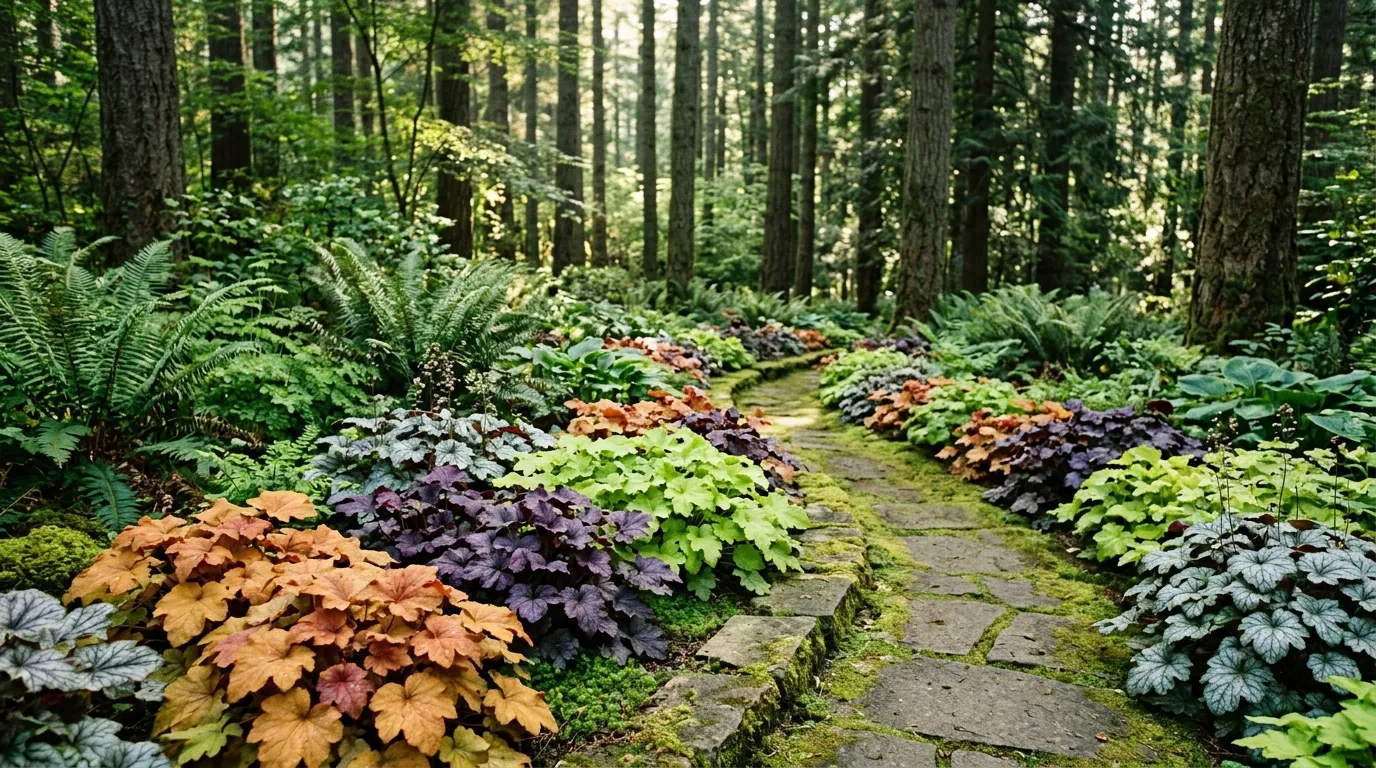
Grow coral bells (Heuchera) for year-round foliage color in shade. Cultivar picks, drainage tips, and a care calendar from a Zone 8a grower.
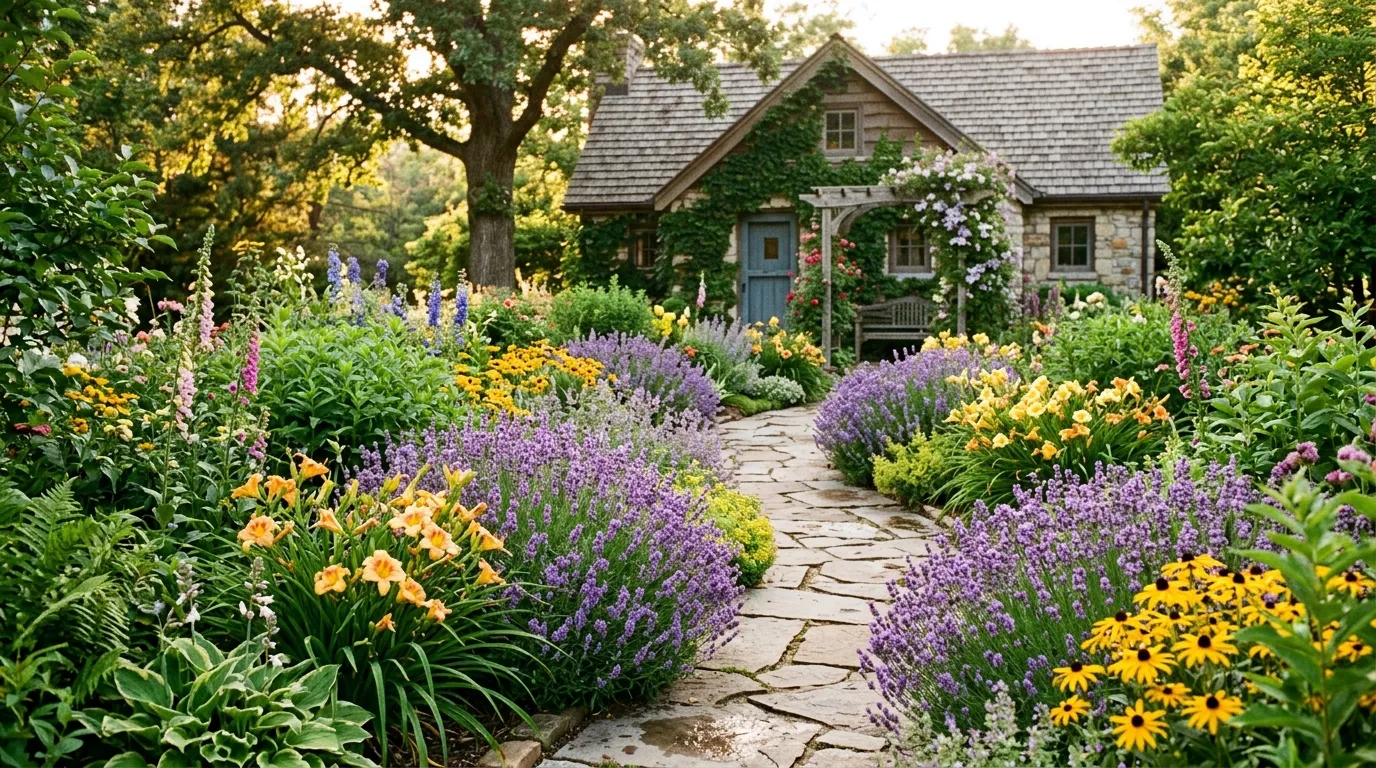
The top spring-blooming perennials for US gardens, with planting tips, zone compatibility, and care guides. Tested picks for lasting color.