Pests & Problems September 3, 2026
Corn Speedwell
Corn speedwell is a low-growing winter annual weed in US lawns and gardens. This guide covers identification, life cycle, and control in turf and beds.
Identify and treat common garden pests, diseases, and growing problems.
Corn speedwell is a low-growing winter annual weed in US lawns and gardens. This guide covers identification, life cycle, and control in turf and beds.
Powdery mildew appears as white powder on leaves. This US guide covers identification, organic treatments, and choosing resistant varieties to prevent it.
Whiteflies weaken plants by sucking sap and spreading plant viruses. This US guide covers identification, organic controls, and prevention methods.
Rabbits avoid toxic, spiny, and strong-smelling plants. This US guide lists 20+ rabbit-resistant flowers with zone data and planting tips for US gardens.
Garlic mustard is one of the most invasive plants in US woodlands. Learn to identify it by smell and leaf shape, and how to remove it before it sets seed.
Wild grape vine spreads aggressively in US yards and woods. Learn how to identify it, distinguish it from poison ivy, and control it effectively.
Squash bugs kill cucurbit plants fast. Identify eggs, nymphs, and adults—plus proven US organic controls that protect zucchini, pumpkin, and squash.
Pre-emergent and post-emergent crabgrass killers that work in US lawns: timing by zone, application rates, and the safest approaches.
Natural aphid control uses water pressure, beneficial insects, and companion plants. This guide covers organic methods that work in US vegetable gardens.
Peonies fail to bloom for a handful of predictable reasons. This guide covers each cause — from planting depth to insufficient chill hours — with fixes.
Little flies in the house are fungus gnats, fruit flies, or drain flies. This US guide identifies each type and shows how to eliminate them fast.
Basil turns yellow from overwatering, nitrogen deficiency, cold stress, or fusarium wilt. This guide diagnoses each cause and fixes it for US gardeners.
Verbena is moderately deer resistant by Rutgers standards. Learn when deer risk peaks, which verbena types hold up best, and what stops deer approach.
Wild rabbits breed at 3–4 months old and produce 4–5 litters per year. Learn rabbit breeding facts and how to manage rabbit populations in your garden.
Remove poison ivy by hand-pulling with gloves, smothering, or using targeted herbicide. US guide to safe removal near garden plants and handling tips.
Celosia is deer resistant. Rutgers rates it second-best for resistance. Learn which risk periods and conditions raise browsing chances in US gardens.
Two insects share the potato bug name. Jerusalem crickets bite when handled; Colorado potato beetles do not. Here is how to tell them apart.
Aphids attack vegetables, roses, and ornamentals in every US zone. This guide covers identification, the best organic controls, and long-term prevention.
Yellow tomato leaves signal nutrient deficiency, disease, or watering problems. This guide identifies each cause by pattern and location on the plant.
Stop spotted lanternfly damage with circle traps, insecticides, and egg scraping. This US guide covers every control method ranked by effectiveness.
Beer traps catch and kill slugs overnight using fermentation scent. Learn to set them correctly, how far apart, and which beer works best in US gardens.
European hornets are the largest hornets in North America — workers reach 1.5 inches. This US guide covers identification, nesting, and removal.
Fungus gnats, fruit flies, and drain flies all need different fixes. This US guide covers identification and proven removal methods for each gnat type.
Spider plants are mildly hallucinogenic to cats but not toxic. Learn what happens if your cat eats spider plant leaves and how to keep plants safe.
Coleus ranks among the most deer-resistant annuals in US gardens. Learn why deer avoid it, which conditions raise browsing risk, and reliable companions.
Learn to tell voles from moles by their damage, appearance, and feeding habits. Covers US-specific control methods that actually work in home gardens.
Crabgrass takes over lawns and garden beds fast. Learn to identify it, kill it before it seeds, and prevent it from coming back in US yards.
Slugs and snails cause identical garden damage but differ in one way: the shell. Learn to tell them apart and stop both with proven US control methods.
Limp Christmas cactus leaves almost always mean overwatering or root rot. Learn to diagnose all 6 causes and restore your plant fast with proven fixes.
Blossom end rot is a calcium deficiency in tomatoes, peppers, and squash. Fix it with consistent watering and soil amendments — not fertilizer sprays.
Peonies contain paeonol, which is toxic to cats and dogs. The ASPCA confirms all plant parts can cause vomiting. Learn safe garden alternatives.
Corn gluten, citric acid, and iron herbicides are the safest weed killers. Compare the best non-toxic options tested in US gardens.
Spotted lanternfly eggs look like dried mud on bark. Learn to identify egg masses, when to scrape them, and where to report sightings across the US.
Five-leaved vines in US yards are Virginia creeper, wild grape, or poison ivy. Learn to identify each and what to do about the ones you don't want.
Snake plants contain saponins that cause vomiting, drooling, and diarrhea in dogs. Learn severity, symptoms, and dog-safe indoor plant alternatives.
The ASPCA lists over 400 plants toxic to cats. Learn which are deadly, which cause mild upset, and which safe plants to grow instead.
The most effective squirrel repellents combine physical barriers, scent deterrents, and motion triggers. Here is what actually works in US gardens.
Yellowing monstera leaves usually signal overwatering or low light. Learn the 7 most common causes, how to diagnose each, and how to fix them fast.
Keep rabbits out of your garden with hardware cloth fencing, repellents, and plant choices that deter browsing. US methods for all rabbit species.
An 8-foot fence stops deer reliably; repellents help but have limits. US guide covers fencing, repellents, and zone-specific deer control strategies.
Spotted lanternfly now covers 17+ US states. Identify egg masses, time treatments, report sightings, and protect grapes and fruit trees from SLF damage.
Monstera plants contain insoluble calcium oxalate crystals that cause oral pain and swelling in cats. Learn symptoms, severity, and pet-safe alternatives.
Make a natural weed killer with white vinegar, dish soap, and no harmful chemicals. Learn the right ratios, application timing, and US safety guidelines.
Squirrels dig in potted plants to bury food and uproot bulbs. These proven methods stop them without harming plants or wildlife.
Vinegar kills weeds by dehydrating leaf tissue. Learn which weeds respond, when it fails on perennials, and how to apply it safely in US gardens.
Yellow tomato leaves signal 8 different problems. This guide gives specific diagnostic signs for each cause and targeted US-tested fixes.
Physical barriers, repellents, and squirrel-resistant plants tested in US gardens. Eight proven methods to protect vegetables, bulbs, and flower beds.
Clover mites invade US homes by the thousands in spring and fall. Learn to identify, prevent, and eliminate them with methods that actually work.
Borax ant bait kills full colonies by reaching the queen. Correct bait ratios, safe placement, and species-specific tips for US homes and gardens.
Fungus gnats infest US houseplants in every state. Learn which controls actually work: sticky traps, hydrogen peroxide soil drench, BTi, and what to skip.
The best poison ivy killers for US yards, from chemical herbicides to organic removal. Includes safe handling tips and what actually works long-term.
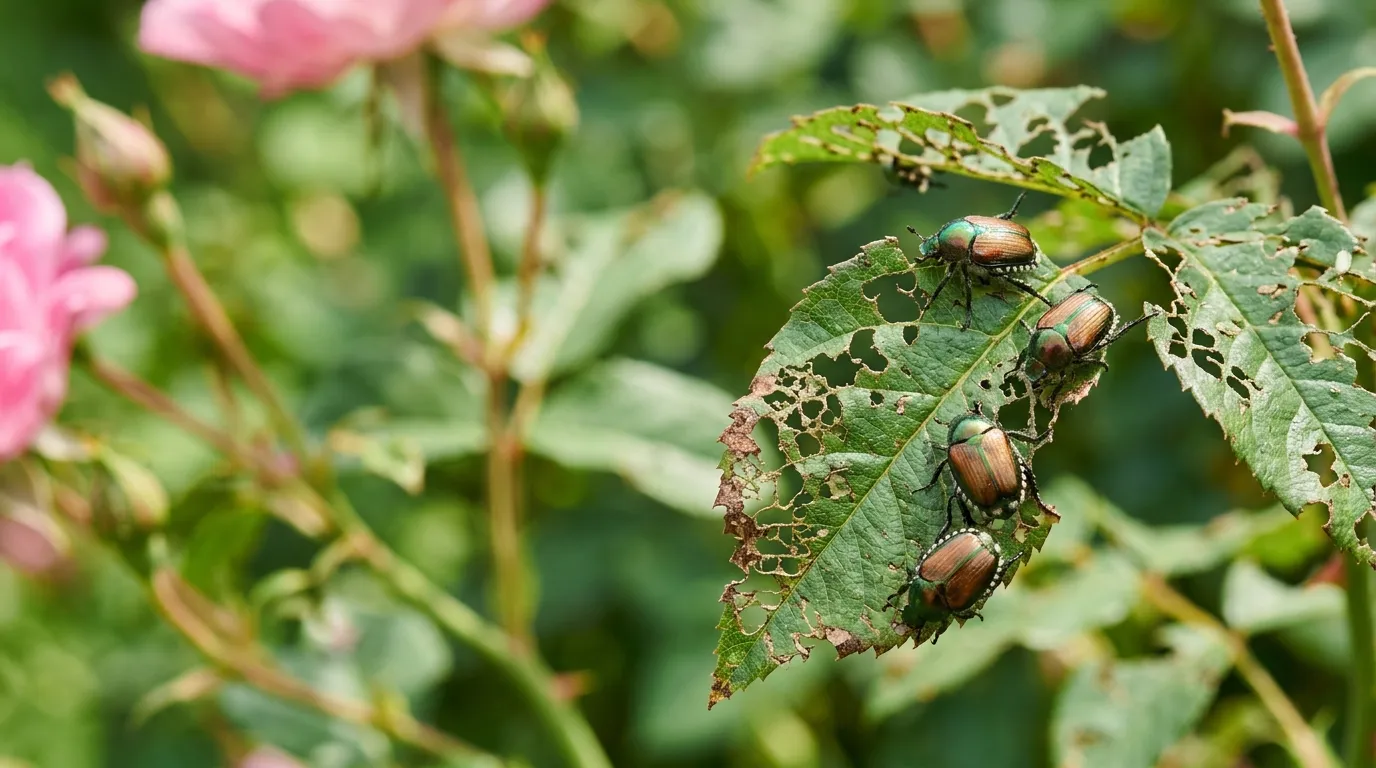
Stop Japanese beetles from destroying your roses and garden. Identification, organic controls, and long-term grub prevention that actually work.